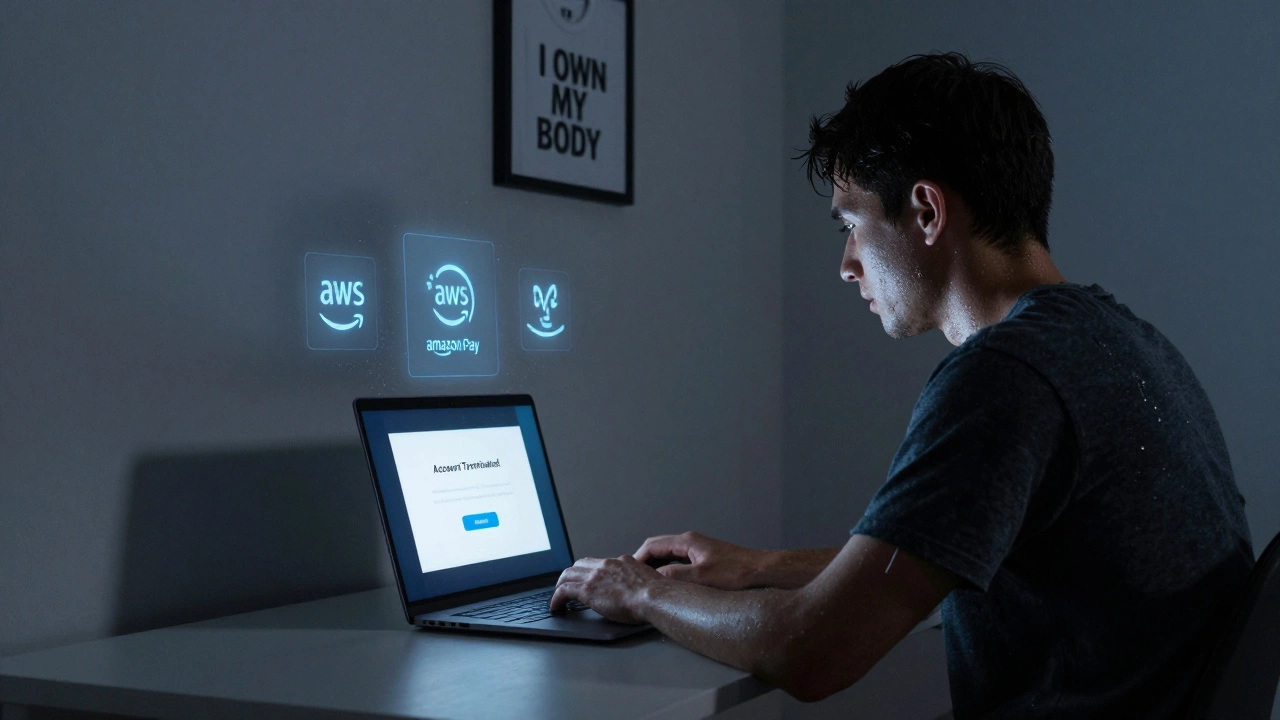
Amazon doesn’t just sell books and electronics-it controls massive parts of the digital economy, from cloud hosting to payment processing. But behind its polished interface lies a strict content policy that quietly shuts down entire industries. One of the most controversial targets? Adult entertainers. If you’re a performer, model, or content creator trying to make a living online, Amazon’s rules can feel less like guidelines and more like a wall. And yes, many people who’ve tried to use Amazon’s platforms for adult content say it’s discrimination. But is it legal? Or just ruthless business? The answer isn’t simple.
Some creators have turned to niche services to stay afloat. For example, one performer based in Dubai used a local directory to connect with clients, like this escort girl in dubai listing, which operates outside Amazon’s reach entirely. These platforms thrive because they don’t rely on Amazon’s infrastructure. They don’t need AWS hosting. They don’t need Amazon Pay. They don’t ask for permission.
Amazon’s Acceptable Use Policy doesn’t explicitly say "no adult entertainers." Instead, it bans content that "promotes or facilitates illegal activities," "is sexually explicit," or "involves non-consensual acts." The problem? These terms are so broad they can be applied to almost anything. A dancer performing in a studio, a model posting tasteful photos, or a sex educator giving advice on consent-all can get flagged. Amazon’s automated systems don’t distinguish between art, education, and exploitation. They just see skin, movement, or suggestive language-and shut it down.
How Amazon Enforces Its Rules
Amazon doesn’t send warning letters. It doesn’t offer appeals that lead anywhere. One day, your seller account is active. The next, it’s gone. No explanation. No timeline for reinstatement. Just silence. Creators who’ve tried to fight back say they’re told their content violates "community standards"-but those standards aren’t published. There’s no public list of banned keywords, no transparency about what triggers a ban.
Amazon’s system relies on AI moderation and human reviewers who work under tight quotas. One former contractor told *The Guardian* in 2023 that reviewers were expected to process up to 1,200 content reports per day. That’s five per minute. Under those conditions, false positives are inevitable. A video of a yoga instructor in leggings might get flagged as "sexually suggestive." A blog post about BDSM safety might be labeled "promoting illegal activity."
Worse, Amazon doesn’t just ban accounts-it freezes funds. If you’ve earned $5,000 through Kindle Direct Publishing or Merch by Amazon, and your account gets flagged, that money can be held indefinitely. No appeals. No deadlines. Just a note saying your funds are "under review." Many creators lose everything they’ve built.
Who Gets Targeted-and Who Doesn’t
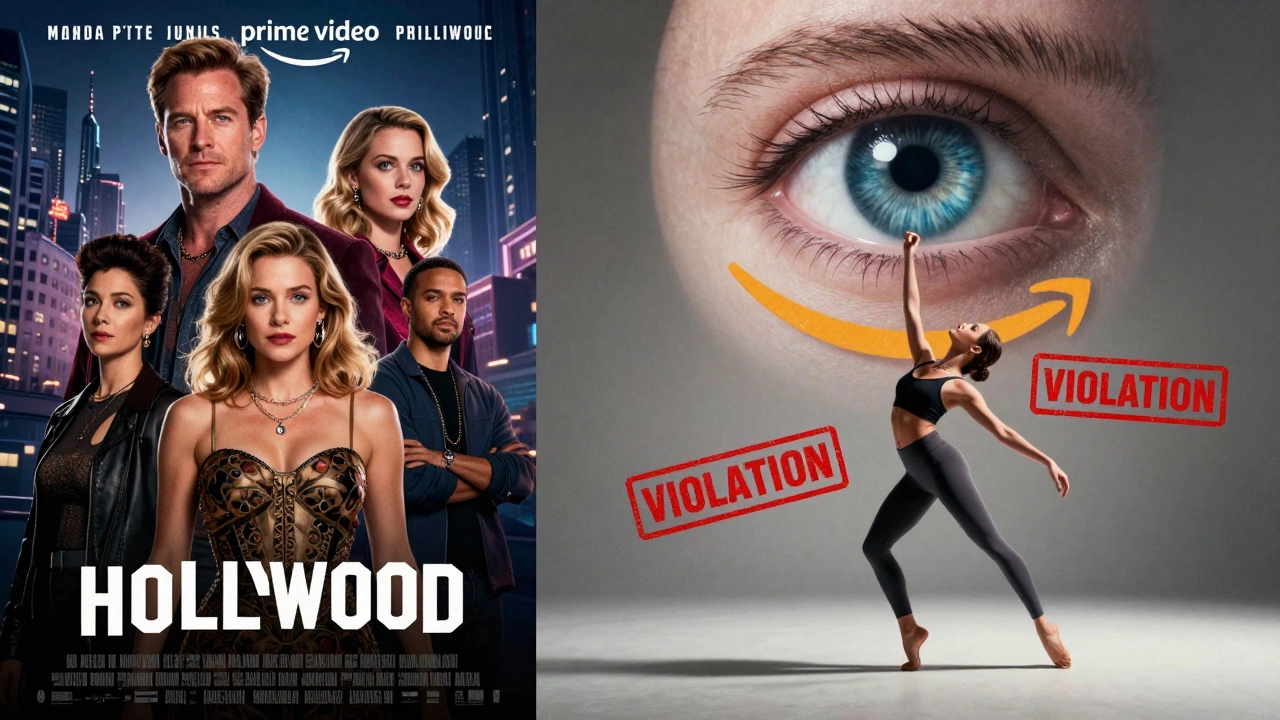
Here’s the real kicker: Amazon allows plenty of sexual content-if it’s coming from the right people. Hollywood studios sell adult-themed movies on Prime Video. Fitness influencers post bikini photos. Cosmetics brands run ads for lingerie. Even dating apps like Tinder get promoted on Amazon’s ad network. So why is a solo performer posting her own dance videos treated like a criminal?
The pattern suggests a bias toward corporate content over individual creators. Big studios have legal teams. They pay for pre-approval. They know exactly which words to avoid. Independent performers? They don’t have that luxury. They’re often women, LGBTQ+ individuals, or people from marginalized communities trying to earn money on their own terms. Amazon’s system doesn’t just punish explicit content-it punishes those who can’t afford to play by the rules.
Compare this to platforms like OnlyFans or Patreon. They don’t claim to be neutral. They say upfront: "This is adult content. We support it." Amazon pretends to be a neutral marketplace. But neutrality doesn’t mean fairness. It means power. And Amazon uses that power to control who gets to make money online.
The Financial Impact on Creators
According to a 2024 survey by the Digital Creators Alliance, over 60% of adult entertainers who used Amazon’s services lost income after being banned. Many had no backup platform. Some relied on Amazon Pay to receive payments from international clients. Others used AWS to host their websites. When Amazon pulled the plug, they lost not just their storefront-but their entire digital infrastructure.
One performer in Toronto told me she’d built a $30,000-a-year business selling custom videos through Amazon’s Merch platform. She designed shirts with empowering slogans like "Consent Is Sexy" and "I Own My Body." Amazon banned her account for "sexualized imagery." The shirts had no nudity. No explicit language. Just text. But the algorithm flagged "sex" in the slogan. She never got her money back.
These aren’t rare cases. They’re systemic. Amazon’s policies don’t just affect performers-they affect anyone who challenges traditional norms of sexuality, gender, or expression. The company doesn’t care about your message. It cares about avoiding controversy. And in 2025, that means silencing voices that don’t fit its sanitized brand image.
Legal Gray Areas
Amazon is a private company. That means it’s not bound by the First Amendment. It can refuse to host anyone it wants. Legally, it’s allowed. But that doesn’t make it right. When a single company controls 40% of the global e-commerce market and 30% of cloud hosting, its power becomes a public concern. If Amazon decides you can’t sell your art, your voice, or your body online, you don’t have many options.
Some legal scholars argue that Amazon’s behavior may violate antitrust laws. By controlling infrastructure, payments, and distribution, Amazon has created a monopoly over digital commerce. When it uses that control to silence competitors or unpopular voices, it’s not just enforcing terms of service-it’s manipulating the market.
There’s also a growing movement to classify Amazon as a "digital public utility." If that happens, its content policies could face legal scrutiny. For now, though, there’s no law that forces Amazon to host adult content. But there’s also no law that says it’s fair to destroy someone’s livelihood because their content makes someone uncomfortable.

Alternatives Are Out There
It’s not all bleak. Many adult entertainers have moved to platforms built for them. OnlyFans, Fanvue, ManyVids, and even decentralized options like Lens and DTube offer better payouts, more control, and clearer rules. Some creators even build their own websites using WordPress and Stripe-bypassing Amazon entirely.
One group of performers in Berlin started a cooperative called "FreeFrame," where they share hosting, marketing, and legal advice. They don’t rely on Amazon. They don’t need Amazon’s approval. And they’ve seen their income grow by 40% in the last year.
Even payment processors are changing. Companies like Mercury and Payoneer now offer services specifically for adult content creators. They don’t freeze funds. They don’t ghost you. They just process payments. And they’re growing fast.
Amazon’s dominance isn’t absolute. It’s just the biggest player. And big players make mistakes. They alienate customers. They underestimate resistance. The tide is turning-not because of laws, but because creators are finding ways to survive without them.
What You Can Do
If you’re an adult entertainer using Amazon:
- Don’t rely on Amazon for your primary income. Diversify your platforms.
- Keep backups of all your content and customer lists.
- Use independent payment processors like Stripe, Mercury, or PayPal (with caution).
- Document every interaction with Amazon support. Even if they don’t respond, you’ll need proof if you pursue legal action.
- Join creator collectives. Strength is in numbers.
If you’re a customer who supports adult creators:
- Don’t buy from Amazon if the creator is banned there. Go directly to their site.
- Leave reviews on independent platforms. Visibility matters.
- Use your voice. Call out Amazon’s double standards when you see them.
Change doesn’t come from petitions. It comes from action. From choosing to spend money elsewhere. From refusing to let one company decide what’s acceptable.
Amazon’s policies aren’t about morality. They’re about control. And control always comes at a cost-for the creators, the customers, and the culture we’re building online.
One performer in Melbourne put it simply: "They don’t hate what I do. They hate that I don’t need them to do it."
And that’s the real threat.